
What Is MCP (Model Context Protocol)? A Practical Enterprise Guide
14 Jan
The EU–India Free Trade Agreement has been making headlines for tariffs and market access. But if you speak to European buyers, procurement heads, or even compliance teams, a very different concern dominates their conversations.
One simple question keeps coming up: Can this supplier prove compliance at a system level?
For Indian companies selling into Europe or planning to the deal is no longer just about cost efficiency or delivery capability. It is about EU supply chain due diligence, traceability and the ability to withstand scrutiny at any point in time.
This shift is already reshaping how European buyers evaluate Indian partners especially in manufacturing, trading and services supported by technology.
As a development company working closely with export-facing businesses, we see this change from the inside.
This is a practical, system-first view of what EU compliance for Indian companies now looks like and why technology is at the centre of it.
The EU India Free Trade Agreement is often discussed as a trade enabler. Tariff reductions on goods such as apparel, food products, leather and jewellery are real and valuable. But tariffs were only the first step.
What truly matters to EU buyers today is how suppliers operate, not just what they sell. European companies are under increasing pressure from regulators, investors and consumers to demonstrate responsible sourcing, ethical labour practices, and environmental accountability.
This pressure flows down the supply chain. Indian exporters, and the IT partners supporting them, are now expected to meet EU due diligence requirements continuously and not only during audits.
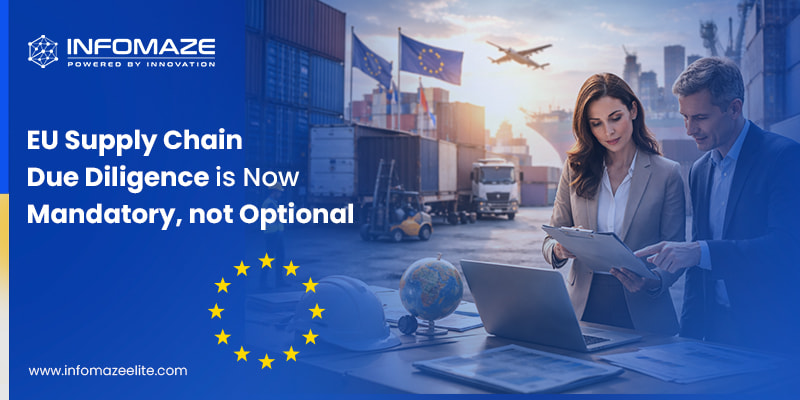
One of the most important regulatory shifts is the Corporate Sustainability Due Diligence Directive, commonly referred to as CSDDD compliance.
Under this framework, EU companies must be able to show that they have identified, monitored, and addressed risks related to:
This obligation extends beyond Europe. If an Indian company supplies to an EU buyer, its data, processes, and records become part of the buyer’s compliance burden.
From a technology standpoint, this turns EU supply chain due diligence into a data and systems problem not a paperwork exercise.
A key misconception we still encounter is that compliance is something you “prepare for” once a year. That thinking no longer holds.
European buyers now expect audit readiness for EU buyers to be ongoing. They want confidence that if a regulator, investor, or internal audit team asks for proof tomorrow, the data already exists in a structured, verifiable form.
This changes buyer expectations in three important ways:
This means, all the scattered files, email chains and spreadsheets can increase high risk.
All your historical and business records matter. Buyers want to see trends, not any snapshots.
The same business data should produce the same result every time.
This is where EU regulatory compliance software becomes critical.
Many Indian companies still rely on manual processes for supplier records, declarations, and audits. While this may have worked earlier, it no longer aligns with EU buyer expectations.
Manual systems create gaps:
From a buyer’s perspective, these gaps translate directly into risk. This is why we see growing demand for compliance automation solutions that replace ad-hoc documentation with structured workflows.
One of the clearest signals from EU buyers is their preference for automated compliance reporting.
They want systems that can collect supplier data in a standard format, validate inputs against predefined rules and even generate audit-ready reports without manual rework.
Automation reduces human error and improves confidence. More importantly, it allows compliance to scale as supplier networks grow.
For Indian companies, this means that investing in EU regulatory compliance software directly affects buyer trust and deal continuity.
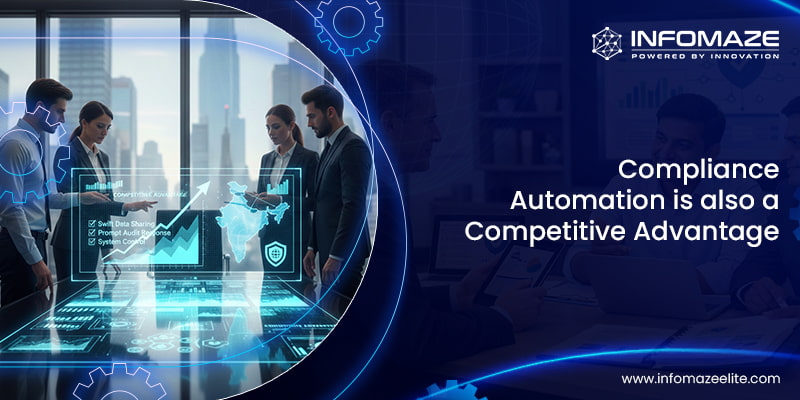
There is a strategic upside that often gets overlooked. Companies that adopt compliance automation solutions early are not just meeting requirements, they are differentiating themselves.
When two suppliers offer similar pricing and quality, European buyers increasingly choose the one that can:
In this context, EU compliance for Indian companies becomes a growth lever, not a cost centre.
For founders, operations heads, and IT leaders, the conversation should shift from “Are we compliant?” to “Are our systems capable of proving compliance at any time?” Here are practical questions that matter to EU buyers:
If the answer relies heavily on people rather than systems then the risk for your enterprise remains high.
This regulatory shift has created a clear opportunity for technology providers. Indian IT companies are no longer just service vendors. They are becoming enablers of EU market access.
By building platforms that support:
IT teams directly contribute to their clients’ ability to meet EU due diligence requirements. This is where deep process understanding matters more than flashy features. European buyers value clarity, reliability and control.
The transition does not require rebuilding everything overnight. In most cases, it involves identifying critical compliance data points, designing structured workflows and integrating reporting into daily operations.
The goal is simple: ensure that compliance data is a by-product of normal operations, not an afterthought. When done right, audit readiness for EU buyers becomes continuous and low-stress.
The regulatory environment in Europe will not become simpler. If anything, scrutiny will increase as sustainability and governance move higher on the agenda.
Companies that treat CSDDD compliance as a one-time exercise will struggle. Those that invest in scalable systems will be better positioned not just to pass audits, but to build long-term buyer relationships.
For Indian businesses and their technology partners, this is the real impact of the EU India Free Trade Agreement.
As a software development company, our role is clear: to help businesses replace fragmented processes with structured, reliable platforms that support EU supply chain due diligence, EU regulatory compliance software, and long-term trust.
The companies that understand this shift early will not only meet expectations they will lead in the European market.
European buyers no longer evaluate suppliers only on capability and pricing. They assess systems, audit readiness, and the ability to prove compliance at any time.
At Infomaze, we help Indian companies and EU-facing businesses design and build compliance-ready software systems that support EU supply chain due diligence, automated compliance reporting, and continuous audit readiness without adding operational complexity.



Disclaimer: All rights belong to the owner. No Copyright or Trademark Infringement Intended.
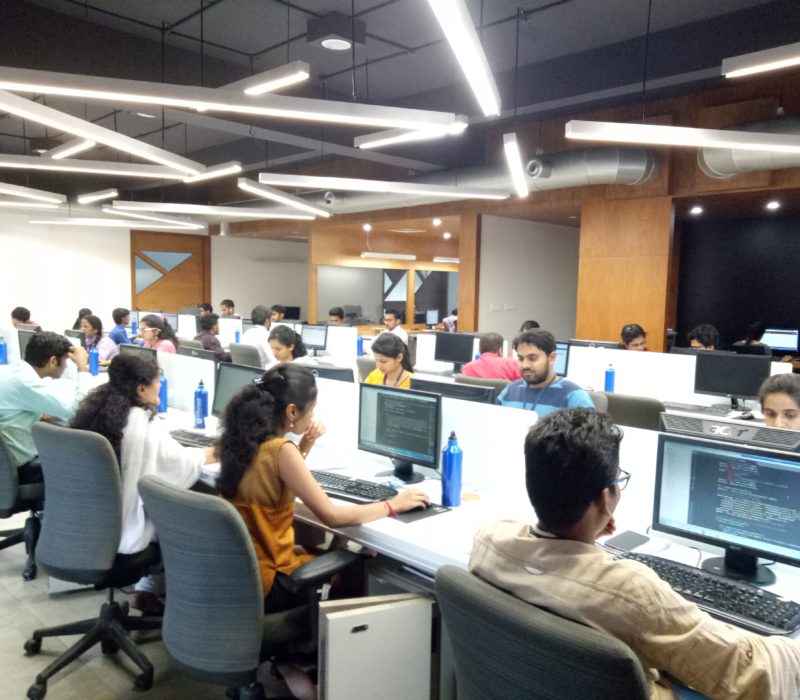
Ultra New, Uber-Cool Workspace with Informal Areas New environment, more creative ideas! Infomaze’s new ...

Having started its growth in a developing country like India, Infomaze has had many options to settle in. It ...
In the era where technology is ruling this world, digitization and automation are in full swing in the field ...
Just like updating ourselves over time, updating your business software is also equally important. In ...

If you are still using the file manager versions 6.0 – 6.8 on WordPress, you need to upgrade immediately, ...